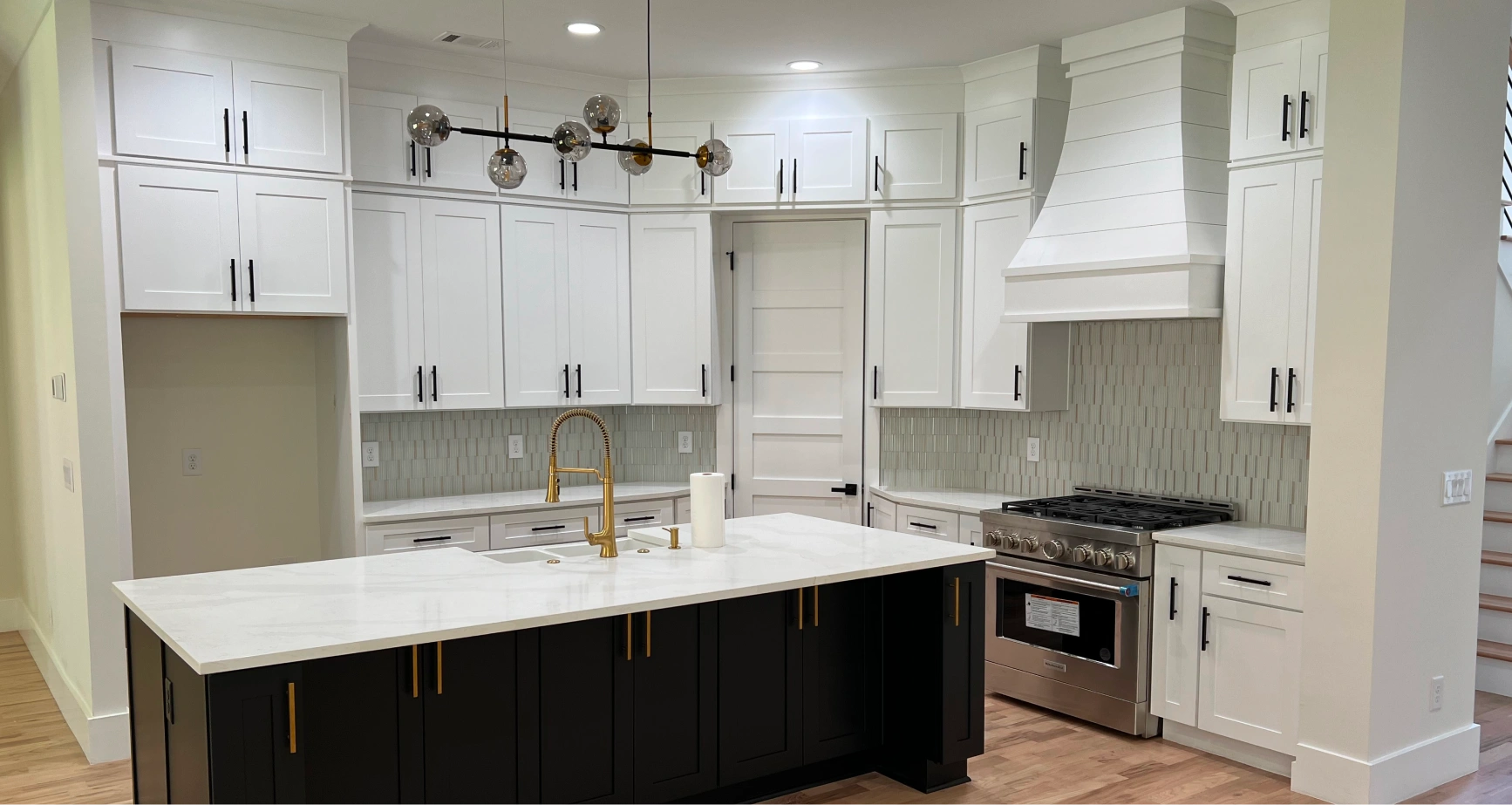
Underestimating Your True Budget
One of the most financially damaging errors homeowners make during kitchen remodeling services involves setting an initial budget without accounting for the full scope of costs. Many property owners in Buford allocate funds for cabinets, countertops, and appliances but fail to reserve adequate money for structural surprises, permit fees, or the dozens of smaller expenses that accumulate during construction. When subflooring needs replacement due to water damage common in Georgia’s humid climate, or when outdated electrical panels require upgrading to meet current code, the project suddenly costs thousands more than planned.
We have witnessed too many homeowners pause their renovations mid-project because their contingency fund disappeared within the first two weeks. A realistic budget for kitchen remodeling should include a minimum 20 percent contingency for unexpected issues. In older Buford homes built before 1990, that contingency should increase to 25 or 30 percent because hidden problems behind walls and under floors are nearly inevitable. Professional kitchen remodeling contractors can provide detailed estimates that account for these variables based on your home’s age and condition.
Beyond construction costs, factor in temporary living expenses if your kitchen will be unusable for weeks. Eating out daily adds up quickly for families in the metro Atlanta area. Calculate the true cost of your project by including permits, disposal fees, temporary housing or meal expenses, and a robust contingency fund. This comprehensive approach prevents financial stress and keeps your project moving forward without compromise.
Ignoring the Kitchen Work Triangle
Aesthetic choices dominate many remodeling conversations, but the functional layout determines whether you will love or regret your kitchen for years to come. The work triangle, connecting your refrigerator, sink, and cooktop in an efficient pattern, remains a foundational principle for a reason. When homeowners prioritize visual drama over workflow efficiency, they create kitchens that look stunning in photographs but frustrate daily meal preparation. We have redesigned kitchens where homeowners placed their refrigerator on the opposite side of the room from their prep area, forcing them to walk fifteen extra steps dozens of times each day.
In Buford homes with open floor plans popular in neighborhoods built after 2000, kitchen islands often disrupt rather than enhance the work triangle. An oversized island might provide seating for six but force the cook to navigate awkwardly around it to access the stove. Before finalizing your layout, physically walk through the planned space and imagine your cooking routine. Consider how traffic flows when children grab snacks or family members gather during meal prep. A skilled kitchen remodeling contractor will evaluate your specific cooking habits and household traffic patterns to optimize both function and form.
The distance between your three work points should total between 13 and 26 feet for maximum efficiency. Each leg of the triangle should measure between four and nine feet. These measurements might seem technical, but they translate directly into reduced fatigue and increased enjoyment of your kitchen every single day.
Selecting Inadequate Storage Solutions
Storage represents one area where homeowners consistently underestimate their needs during kitchen remodeling services. The appeal of open shelving and minimalist design causes many to sacrifice functional cabinet space they will desperately miss later. We regularly consult with homeowners who reduced their upper cabinets to create a more spacious feel, only to realize six months after completion that they have nowhere to store holiday dishes, small appliances, or bulk purchases from local warehouse stores. In the Buford area, where many families entertain regularly and stock pantries to avoid frequent shopping trips, insufficient storage becomes a daily frustration.
Deep drawers with organizational inserts provide significantly more accessible storage than traditional lower cabinets with shelves. Corner cabinets equipped with pull-out systems recover space that otherwise becomes a black hole for lost items. Vertical dividers for baking sheets and cutting boards prevent the chaotic stacking that makes finding items difficult. These solutions cost more upfront but deliver value through improved organization and accessibility for decades. A qualified remodeling contractor can show you storage innovations that maximize every cubic inch of your kitchen.
Calculate your storage needs before finalizing the design. Count your dishes, pots, pans, small appliances, and pantry items. Add 20 percent to that total to accommodate future purchases and seasonal items. Then design your cabinetry to meet those requirements with specialized storage solutions rather than generic boxes. The investment in proper storage systems returns dividends in daily convenience and home value.
Compromising on Ventilation Systems
Ventilation rarely generates excitement during design discussions, yet inadequate ventilation systems create problems that compound over time. Many homeowners select range hoods based primarily on appearance, choosing underpowered units that fail to remove cooking heat, moisture, and odors effectively. In Georgia’s climate, where humidity already challenges homes throughout summer months, adding steam from cooking without proper ventilation invites moisture damage to cabinets and promotes mold growth. We have assessed kitchens less than three years old where cabinet finishes deteriorated because the decorative range hood moved air at less than half the recommended rate.
Your ventilation system should be rated to move at least 100 cubic feet per minute (CFM) for every linear foot of cooktop. A standard 30-inch range requires a minimum 250 CFM, while professional-style ranges demand 400 to 600 CFM or more. Ducted systems that vent outside perform far better than recirculating models that simply filter and return air to the kitchen. If your cooktop sits on an island, plan for downdraft ventilation or a substantial overhead system, both of which require careful planning during the design phase.
Work with experienced kitchen remodeling contractors who understand ventilation requirements and local building codes. Proper ventilation protects your investment in cabinetry and finishes while improving air quality for your family. The few hundred dollars saved by choosing an underpowered or non-ducted system will cost you thousands in repairs and replacements within just a few years.
Choosing Trendy Over Timeless Design
Design trends cycle rapidly, and committing your entire kitchen budget to the latest fashions often results in a space that feels dated within five years. Homeowners drawn to bold colored cabinets, extremely trendy tile patterns, or ultra-modern fixtures sometimes discover that what felt fresh and exciting during selection looks tired and difficult to sell when they decide to move. We have updated kitchens where homeowners chose highly stylized elements during their initial remodel, only to hire remodeling services again less than a decade later because the design had fallen completely out of favor with potential buyers.
This does not mean your kitchen should lack personality or that you must choose builder-grade finishes. Instead, establish a timeless foundation with classic cabinet styles, neutral tile, and quality materials that transcend trends. Then introduce current style through easily changeable elements like cabinet hardware, light fixtures, window treatments, and accessories. In the Buford market, where home values continue to appreciate and turnover rates remain steady, kitchens that appeal to broad buyer preferences maintain stronger resale value than those designed to reflect fleeting trends.
Consult with a kitchen remodeling contractor who can help you balance personal style with long-term value. Choose durable materials like quartz or granite countertops in neutral tones, classic subway tile or simple backsplash designs, and cabinet door styles that have remained popular for decades. Save bold color and dramatic pattern for elements you can replace inexpensively when your taste evolves or when you prepare to sell your home.